When Should Owners Schedule an Inspection?

Most owners think of a commercial building inspection as something you order once - right before you buy. That's one good reason, but it's far from the only one. A building doesn't stop aging after closing day, and the absence of a recent inspection doesn't mean everything is fine. It usually just means no one has looked in a while.
Here are the moments when an inspection earns its keep.
Before you buy - or before you sell
Due diligence is the classic use case. An inspection tells you what you're actually purchasing: the condition of the roof, structure, HVAC, electrical, and plumbing, and what those systems are likely to cost you in the years ahead. Sellers benefit too because knowing your building's condition before listing means no surprises at the negotiating table.
When you're planning repairs or setting a budget
It's hard to budget for a roof replacement if you don't know whether the roof has three good years left or ten. An inspection gives you a clear picture of which systems need attention now, which can wait, and roughly what order to tackle them in. This way your repair dollars go where they matter most instead of wherever the loudest problem happens to be.
When you want to know how long your systems will last
Every major building component - roofing, HVAC, electrical panels, water heaters, parking surfaces - has a service life. An inspection helps you understand where each system sits in that lifespan, so replacements become planned line items instead of emergency expenses.
Before your tenants find the problem for you
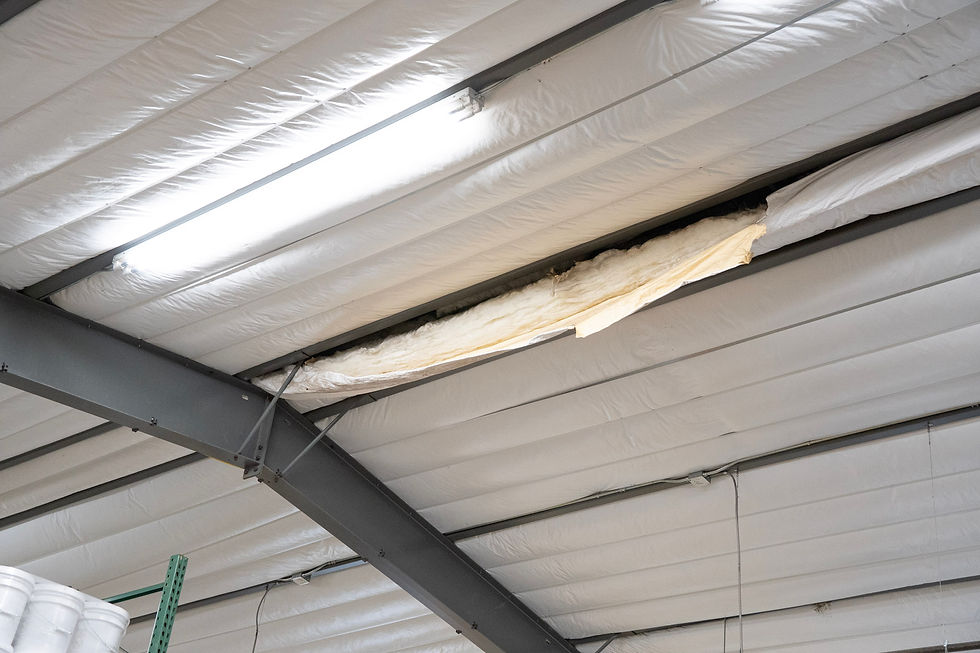
Deferred maintenance doesn't announce itself. It builds quietly; a slow roof leak, an aging compressor, wiring that's been modified one tenant buildout at a time, until something fails during business hours. Periodic inspections catch these issues while they're still small, inexpensive, and invisible to your tenants. That means fewer emergency calls, fewer disrupted leases, and tenants who stay put.
At lease milestones
Tenant move-ins, move-outs, and lease renewals are natural checkpoints. An inspection documents the building's condition, flags any damage from a previous occupant, and gives both sides a factual baseline instead of a dispute waiting to happen.
Before a renovation or buildout
Opening up a building without knowing what's behind the walls - or above the ceiling - is how renovation budgets blow up. An inspection ahead of construction helps you scope the work realistically and avoid mid-project surprises.
After severe weather
Hail, high winds, and heavy snow loads can damage roofing and building envelopes in ways that aren't visible from the ground. A post-storm inspection catches that damage early, while repairs are still straightforward and insurance documentation is still fresh.
When it's simply been a while
If you can't remember the last time anyone systematically looked at your building. Not a repair call, but an actual top-to-bottom evaluation - that's reason enough. Commercial buildings accumulate wear, modifications, and deferred maintenance year over year. A periodic inspection resets your knowledge of the property and turns guesswork into a plan.
The bottom line: an inspection isn't just a transaction document. It's an ownership tool. One that helps you plan repairs, forecast system replacements, protect your tenants from disruptive breakdowns, and make decisions about your building based on facts instead of hope.
How Long Should Building Systems Last?